Thursday, 19 February 2015

Top 3 reasons why waiting to clean your fine hand made rugs can destroy their beauty and their value

* Dirt cuts into your rugs fibres like a knife: every time you walk on a dirty rug the mineral in the dirt and dust actually etch (scratch and cut) the fibres until the lustre and resiliency are worn away. (Harder materials always destroy softer material, so the more dirt in your rugs the faster they wear out and lose their beauty and value.)

Notice the “Cutting Edges” in a grain of sand magnified

 * Carpets and area rugs act like filters and trap insect, dirt, dust and bacteria in the fibres. Without proper cleaning these breed in the carpets fibres – affecting indoor air quality.


* You have to deal with pet stains right away to avoid damage and unsanitary conditions.
- Pet urine and vomit goes HOT and ACIDIC, so it penetrates the rug fibres completely.
- Because hand made rug dyes are “acidic dyes” this means the pet urine essentially “Re-Dyes the fibres yellow and then sets itself.
- If this is NOT dealt with immediately, stains can be permanent.

NB: Repeated urine contamination not only devalues the rug, it is also a health concern for the indoor living environment of your home or office.


Tuesday, 17 February 2015

Does your rug need to be clean before storing, transporting or shipping?


GREAT NEWS Honey! Our visas has been approved and we can finally get things ready for the move!

In exciting times like this you will unlikely think of smaller details like how your precious had knotted rugs will experience the journey to the new home far far away.

You have invested so much in these lovely rugs not to mention the time and sentimental value - The last thing is you want to expose them to harm though very few people think of storing transporting or shipping rugs correctly and only learn from their mistakes and then it is too late.
Having your fine handmade and area rugs thoroughly cleaned before storing or transport is very important and here is why:

Dirt build ups in rugs acts as a food source for bacteria and insects thus form the perfect environment for them to multiply.

Urine turns alkaline once dry and the bacteria that breaks it down produce alkaline gas in this process and this can case damage to the fabric of the rug.

This can be the perfect breeding ground for carpet moth as you do not know what your rug comes in contact with wile in storage or on the journey to your new home.

This is a rug we discovered stored in a cupboard for months - We did not know what we will find inside - our discovery shocked us to the core - see it for yourself


We have heard and seen countless horror stories of clients finding their inheritance or a cherished family heirloom rug, totally destroyed from bad storage procedures.

Rugs are unrolled and found riddled with moth or rodent holes, covered with mildew damage, moisture caused by dye migrations, or worse yet – pet urine or faeces stains that have faded the dyes and are set forever because the rugs were stored dirty and in uncontrolled heated storage environments.

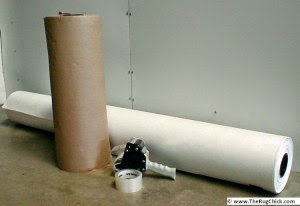
DO NOT wrap your rugs in plastic. DO wrap your rugs in TYVEK or brown acid-free PAPER. Wool has a moisture content even when it is dry, so changes in heat can cause it to “sweat.”  Because of this you should NEVER wrap wool rugs in plastic or you will create a potential mildew problem.  Tyvek Paper is best (tear and water resistant).


Here is what to look out for when choosing a rug cleaning company:

How do they clean the rug?
Will they use an effective measure to remove dry soil from the rug (a commercial vacuum cleaner or a knock-off rug duster that they built themselves one Sunday afternoon is not the correct piece of equipment up to the task) - If they claim to have this equipment have you seen evidence of this - Maybe multiple videos or photos with them in the picture (careful that some so called rug cleaners attend a one day course take multiple pictures and videos while on the course posing with equipment only to return and clean rugs using a standard carpet cleaning machine)

When saturate cleaning (where the rug is submersed in water) will they have a centrifuge spinner to remove most of the water and hang it in a purpose built rug drying room - or do they clean it in their garage or on their driveway.

Do the rug cleaner offer an alternative means to wrap your rug (in Tyvek) when you mention you will be storing or transporting the rug? If not you need to ask yourself if they are truly the company for you.

Careful when wrapping the rug with moth repellent products inside the rug. This should not come in direct contact with the rug fibres as it can be harmful to your rug - Wrap moth repellent inside a cotton towel and then wrap this in the rug

Would you have any more questions about storing, transporting or shipping your rug safely contact us here at Art of Clean


Art of Clean is a specialist cleaning firm in: 


Working for domestic or commercial clients throughout Cambridgeshire, Essex, Suffolk and Hertfordshire.


For more information on our services contact our friendly team on 01223 863632 or email us at info@artofclean.co.uk


Wednesday, 11 February 2015

Water damage - What you should do first?


Water damage may come in many forms; as a failure in an appliance or a roof leak after heavy rains. In other cases, it may be a result of plumbing issues or in rare occasion of a disaster.

There is more to the story then letting the water dry on its own. Water damage can easily become a starting point for bigger problems. If not handled properly it will impose risks for your health, for the building and the items in it. Water will soak into the material, increasing the chances of mould and mildew development. Cleaning the pests will turn into a real nightmare. A humid environment will decrease the indoor air quality. Here is what you should do to protect your property and the people inside:


Save what you can

Reduce the hazards of damages in the electric system by disconnecting the power. Be sure that the area is secured. Check for loose wires. Remove all electrical appliances and furniture, as well as rugs, carpets and other items. The floor should be completely clear. The faster you do this, the more you will be able to save.

Get rid of the water

Don’t prolong the task. You have several options. Depending on the extent of damage, you can do it on your own or hire a professional cleaning service. Your primary task is to soak as much as water as possible. Dispose the water excess in your backyard or pour it in the drain. Don’t use any electrical appliance while there is standing water. Soak the water from carpet and furniture.

 Hiring a professional service

For major damages, you should turn to the experts. The specialist will make sure that any issues related to pests will be solved. Before hiring, check if the service provider is insured, licensed and experienced in the field. In this way if they make a mistake you will be compensated. Compare the prices of different water damage restoration services.

Get the right equipment

If you are doing it solo, be sure you have the proper tools. They will help you deal with the water more effectively. Using simply towels, cloths and buckets will bring you nowhere. These are helpful to remove the water, but they will not prevent the pests’ evolvement. Get products that are particularly designed to kill mould and mildew. Speed up the drying process with fans or heaters directed towards the damaged area.

Disinfect

After everything is dried, you should perform a thorough domestic cleaning. Pay special attention to the areas that were affected by the water.

Dispose wisely

When cleaning your home, you might stumble on items that are severely damaged. Don’t just throw them in the dumpster. You can sort them and bring them to a recycling centre.

Additional prevention

If you need to make home improvements or repair, here are few things you should consider: if you are repainting the walls at your home, use a mould-stopping paint. Inspect your home regularly for pests and potential sources of water damage. Consider purchasing a dehumidifier.


Article provided by: Spring Cleaning Company Kentish Town
Photo by Art of Clean: read article here


Art of Clean is a specialist cleaning firm in: 


Working for domestic or commercial clients throughout Cambridgeshire, Essex, Suffolk and Hertfordshire.

For more information on our services contact our friendly team on 01223 863632 or email us at info@artofclean.co.uk

Tuesday, 3 February 2015

Our rug cleaning process

We offer a specialist Persian rug cleaning service, we do not use any harmful cleaning products and we have a team of specialist rug cleaners who will ensure your rug doesn't loose its original colour and is restored to its original state.

We have a 9-step professional rug cleaning process including:

1. Audit of your rug, to check the type of dye which has been used in your rug, to ensure there is no colour loss. And also the type of method used to weave the rug.

2. Rug Dusting – some rugs can hold up to 1 pound of dirt! So we vacuum them first.

3. We put the rug in a special rug bath – All rugs with odor causing sources such as urine, mould, mildew, or insect infestations require decontamination.

4. Rug washing The rug will be submerged and given a cold water shampoo bath, using soft brushes for mild agitation

5. Rug rinse – Removal off all cleaning and soil residue by means of clear water rinse is vital of achieving a thoroughly clean rug.

6. Rug Centrifruge drying system – This ensures that the drying of your rug is speeded up 10 times compared to any other method used by other cleaning companies.

7. Rug protector – After the rug has been cleaned we can move on to applying the protector. This barrier coats each fibre to protect against re-soiling and staining. This allows you to simply mop up spillages as it prevents the fibre absorbing spills.

8. Rug drying – Air movers and dehumidifiers are used to help facilitate drying, without the use of high heat (so there is no worry of shrinkage).

9. Rug fringe work and washed- Fringes are inspected and occasionally washed an additional time. They are then dried. The rug is given a final grooming with a brush.Your rug will now be as good as new, with no loss of colour or texture.

To see it for yourselves please check out our You Tube channel.

Monday, 2 February 2015

Why rug underlay is important?

 The underlay offers a simple, effective and convenient anti-slip solution for preventing rugs from slipping and moving on all floor types, including laminates, wood, tiles, vinyl and carpet.
* Keep rugs flat, smooth and wrinkle free
* Machine washable (40 degrees) for easy cleaning and to restore functionality
* Protects rugs, prolong the life of the rug by cushioning the impact between shoe sole and floor
*Allows air to circulate and enhances comfort underfoot
* Infinitely reusable, move the rug as often as you like!
* Suitable for use with under floor heating

Click here to see more:

This anti-slip underlay can be re-used again and again.

Why you need to choose professional rug cleaners for your rugs ,

Cleaning a rug professionally and without causing damage takes some training. The method is very complicated, and a great amount of machinery and space is needed - that’s why we are the only professional rug cleaning plant in Cambridge.

Most carpet cleaners will state that they can clean rugs and they do this by either cleaning the rug with a carpet cleaning machine or by farming them out to professional rug cleaning plants such as Art of Clean.

There are many stages of cleaning a rug, and our rug cleaning technicians have undergone several training courses to enable them to be able to clean rugs properly.

1- Some rugs can hold up to one pound of dirt per square foot before they look dirty, so dusting the rug before submersion is very important. We complete the removal of dirt by vacuuming the rug, then by using a vibrating machine system, which gently beats the rug, releasing all of the tiny bits of dirt. If the soil is left in rug then it will wear out more quickly.

2- Dye testing is done to determinate the stability of the dyes used in your rug. Most fibres are dyed using a mordant process, which is a chemical reaction that binds the dye to the fibres. If the dyes are not stable, they will bleed as soon as they get wet (one unstable colour can ruin an entire rug!!) Unfortunately there is no way to know if the dyes in your rug are stable unless we individually test them. Every hand made rug is unique and the dyes used in an individual rug are unique too. These dyes can be natural dyes, man-made synthetics or a combination of both.

Natural dyes: Until the late nineteenth century only natural dyes were used for colouring wearing yarns. Natural dyes include plant dye (come from roots, flowers, fruit…), animal dyes (come from animal sources that include insects) and mineral dyes - come from ochre (yellow, brown, red), limestone or lime (white).

Synthetic dyes: In the mid-nineteenth century, as the demand for handmade rugs increased in the West, their production increased in the East. The need for easy-to-use and less expensive dyes with wider ranges of colours caused the development of synthetic dyes in Europe. Synthetic dyes were imported to Persia (Iran), Anatolia (Turkey) and other countries. Colour testing is a very time consuming process and an absolutely necessary part before the wash process.

3- The next process is to decontaminate the rugs if it has been contaminated with mildew, urine, mould or insect infestations. We do this by submersing the rug into a decontamination of rugs, however this will not always 100% remove the smell from your rug.

4- The rug will be submerged and given a cold water shampoo bath, using soft brushes for mild agitation. The rug is soaked depending on how much surface soil needs to be worked out and rinsed from the rug’s fibres.

Removal of all cleaning and soil residue by means of clear water rinse is vital of achieving a thoroughly clean rug. The rinse process utilises clear water at a gentle flow rate to ensure the rug is left without any residue after the cleaning process.

5- At this point we use a rug centrifuge extraction system, this speeds up the drying time by 10 times compared to other methods, eliminating mould growth, colour run, browning and other issues associated with sloppy wet rugs taking weeks to dry. We are the only company in Cambridge with this system.

After the cleaning process has taken place we then protect the rug by spraying the rug and combing it through the fibres, this will prevent any further spills from being absorbed into your rug.

6- Finally we leave the rug to dry using humidifiers and air movers, this is a nice gentle drying process which reduces the amount of shrinkage. But we always take care not to overlap rugs within the drying process as it causes damage to the rugs.

So you can see from this article that knowing how to properly clean rug takes some knowledge, machinery and space.


Feel free to ahve a look at our website on persian rug cleaning and our main website: www.artofclean.co.uk


Art of Clean is a specialist cleaning firm in: 


Working for domestic or commercial clients throughout Cambridgeshire, Essex, Suffolk and Hertfordshire.

For more information on our services contact our friendly team on 01223 863632 or email us at info@artofclean.co.uk
Tuesday, 27 January 2015

Rug tips

Pierre and Laurence de Wet, owners of Art of Clean would like to give you some rug care tips, to help you keep your rugs looking great for longer.

Vacuuming your rug is the best thing you can do. If you have pets and children, this could mean as often as twice a week. Think of all the dust that settles daily on to your hard floors… that same dust settles on your rugs and needs to be removed, otherwise it works its way into the fibres and causes damage you cannot correct.

However, you do not want to overly “brush” these fibers so the best tool to use is an upright HEPA-filter vacuum cleaner and just run it over the top of the rug fibres. Vacuum WITH and not against the nap of the rug’s “fuzzy” side (the rug’s fibres are similar to your pet’s fur. Going “with” the fur causes less friction)

If a lot of dirt seems to be collecting on the rug – like on your hallway rugs – then turn these rugs good side down and also run an upright vacuum cleaner along the back (stay away from the fringe tassels or you’ll suck them up!).

This “shakes” the dirt out of the base of the rug’s foundation and then you can flip the rug over and vacuum away all the dust, dirt, allergens, mould spores, bacteria, and other “unmentionables” that have been brought into your home by lots of shoes, feet and paws.

You should also wash your rug, some require washing as often as every year.

Remember you must deal with pet stains right away to avoid damage, permanent staining and unsanitary conditions.
- Pet urine and vomit is HOT and ACIDIC, so it penetrates the rug fibres completely. Because hand made rug dyes have “acidic dyes” this means the pet urine essentially permanently “re-dyes” the fibres yellow.


Art of Clean is a specialist cleaning firm in: 


Working for domestic or commercial clients throughout Cambridgeshire, Essex, Suffolk and Hertfordshire.

For more information on our services contact our friendly team on 01223 863632 or email us at info@artofclean.co.uk